


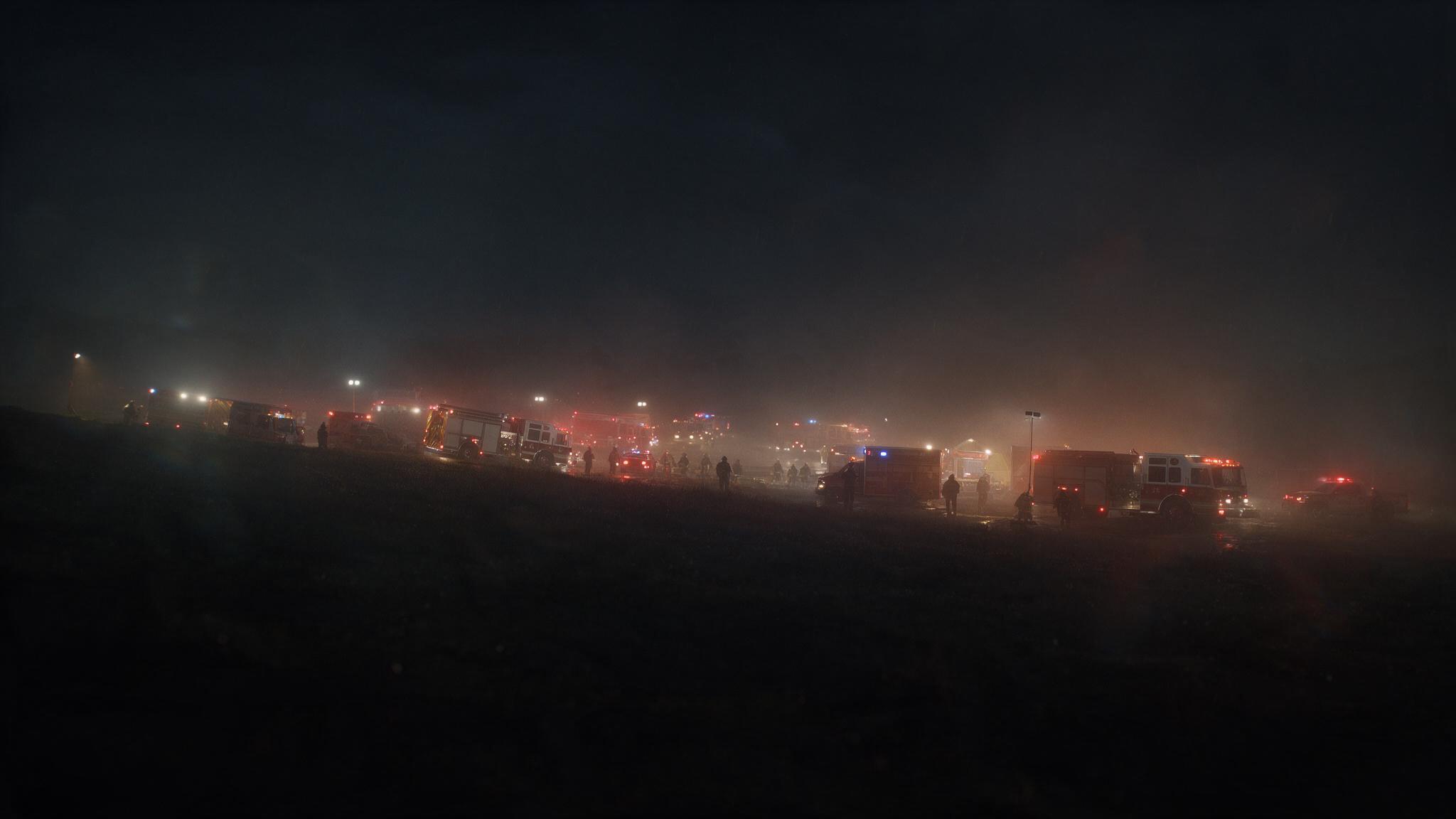


Mutual aid is built on a promise: when you're overwhelmed, help comes. Almost every rural plan depends on it. Almost no plan asks the obvious follow-up question — what happens when everyone who would send help is dealing with the same event?
Regional events break mutual aid by design. A fire complex, a widespread flood, an extended heat event — these don't stress one agency while others stand by. They stress all of them simultaneously, and the first thing to disappear is the assumption that resources will arrive.
The Failure Pattern
- Hour 6. Local resources are committed. Mutual aid requests go out. Everyone else has committed theirs.
- Hour 18. Responders are still on task. No rotation plan exists because no one planned for a second shift.
- Hour 24. Sustainment gaps surface: food, water, fuel, rest, and accountability of who is actually where.
- Hour 36. Decision quality degrades. Fatigue produces the incident's second emergency.
The Lessons That Repeat
After-action reviews across multi-day deployments converge on the same findings. Plans assumed single-day operations. Sustainment was improvised instead of staged. Resource tracking collapsed — nobody had a live picture of personnel, equipment, or consumption. And volunteer responders, the backbone of rural response, arrived willing and left unsupported.
What Breaks the Pattern
Deployments that hold up share three traits. First, they planned for endurance from the start: rotations, sustainment logistics, and consumption tracking sized to multi-day operations. Second, they maintained visibility — simple, field-usable systems for knowing what resources exist, where they are, and how long they last. Third, they treated responder sustainment as an operational function with an owner, not a task that falls to whoever thinks of it.
What This Looks Like in Practice
A county plans its next major event against the assumption that no help is coming for 48 hours. Pre-staged sustainment, documented rotations, and a resource tracking method that works on paper if it has to. When the event arrives and aid is delayed, the county doesn't just survive the gap — it's the one neighbor still capable of sending help outward.
Conclusion
The lesson isn't that mutual aid fails. It's that mutual aid works best for agencies that planned as if it wouldn't arrive.
Want a deployment framework that assumes the hard case? Contact us.
