


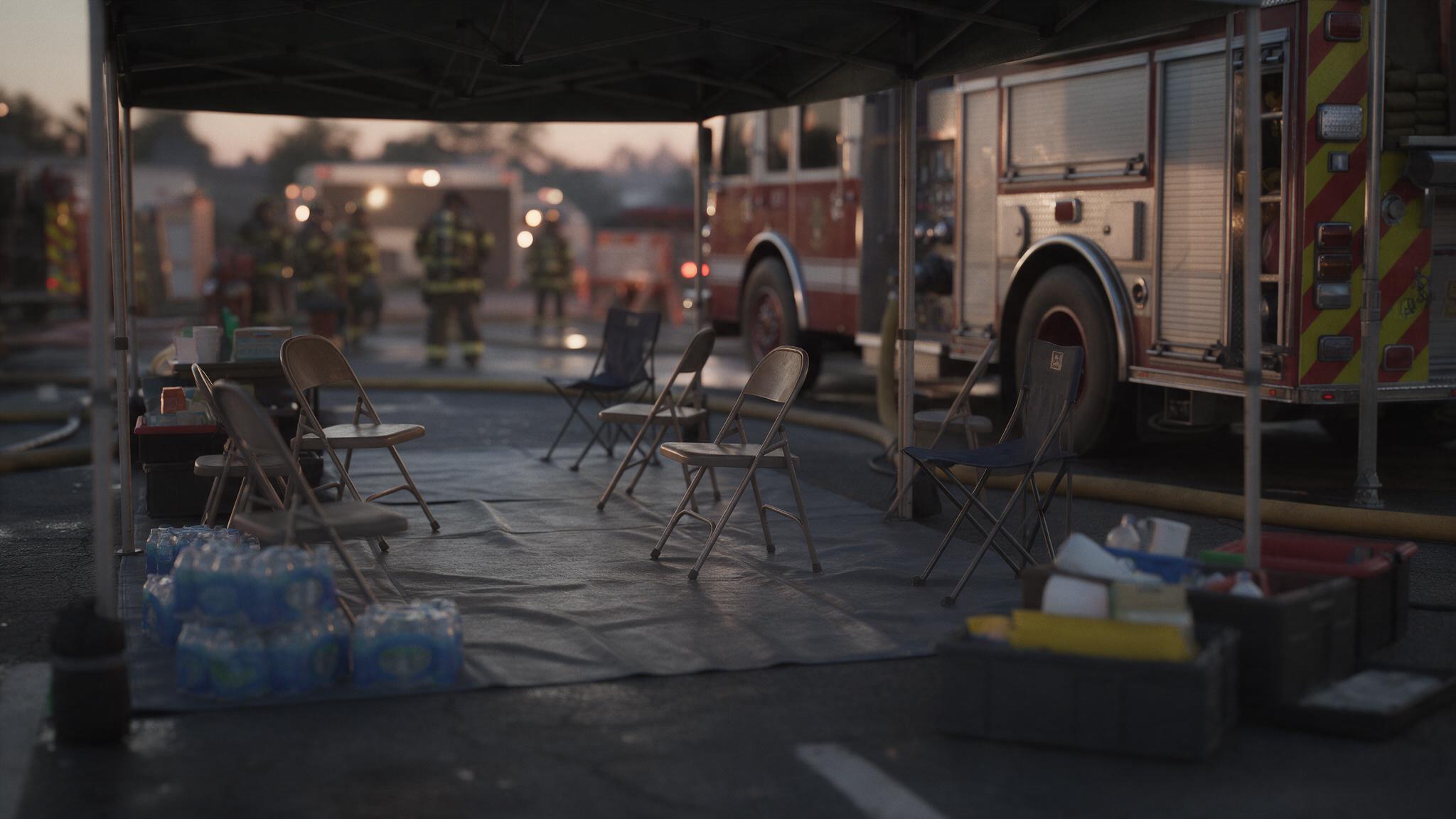


Emergency response culture measures itself in patient outcomes and response times — how fast, how far, how saved. What it rarely measures is the responder: the training hours wasted to fatigue, the injuries caused by hour twenty of a deployment, the decisions made degrading in quality long before anyone names the cause.
The reframe is simple: responders are operational assets. And like any asset, their performance curve is a planning input — not an HR afterthought.
What Sustainment Actually Covers
- Rotation. Work-rest cycles decided in advance, not discovered in exhaustion.
- Logistics. Food, water, fuel, batteries, and relief sized to the deployment — the consumables that quietly decide the back half of every multi-day event.
- Accountability. Knowing who is on task, where, and for how long. Every untracked responder is an unmanaged risk.
- Recovery. Operations that end with a deliberate reset rather than a collapse, so the force exists for the next call.
Why It Gets Skipped
Sustainment is unglamorous and unpriced. Response culture rewards the sprint — heroics, endurance, staying on scene. The cost surfaces later: injury, burnout, attrition, and the quiet loss of volunteers who concluded the organization would spend them without limit. A force that isn't sustained isn't brave; it's being depleted on a schedule nobody wrote down.
What Force Sustainment Looks Like
Treat responder endurance like any other resource with a burn rate. Plan rotations at incident start. Stage sustainment before it's needed rather than improvising it after the first failure. Track personnel and consumption the way you'd track water supply or fuel. And build the training culture that treats rest as professional discipline, not weakness.
What This Looks Like in Practice
A deployment planned from the first hour around 12-hour rotations, staged logistics, and live personnel tracking runs its third day at near-day-one effectiveness. The neighboring county that ran its people flat is now borrowing theirs.
Conclusion
The mission doesn't end when the incident ends. Sustaining the force is how an agency stays a force.
Want a sustainment framework for your deployments? Contact us.


