




Every agency has a plan. Binders, folders, shared drives — years of careful documentation describing how the next emergency will be handled. And in almost every after-action review ever written, the same sentence appears: the plan existed, and nobody followed it, because nobody had ever used it.
A protocol that has never been exercised isn't a plan. It's a hypothesis.
Why Plans Fail Contact With Reality
- Drift. The plan was written against the agency, population, and resources of five years ago. All three changed.
- Unworkable steps. Procedures that read fine in a conference room assume people, equipment, or time that don't exist at 3 a.m.
- Unknown ownership. Roles assigned in the plan belong to people who left, positions that were never filled, or nobody in particular.
- Zero practice. The plan has never been executed even once, so its failure modes are all still in front of it.
What Validation Actually Means
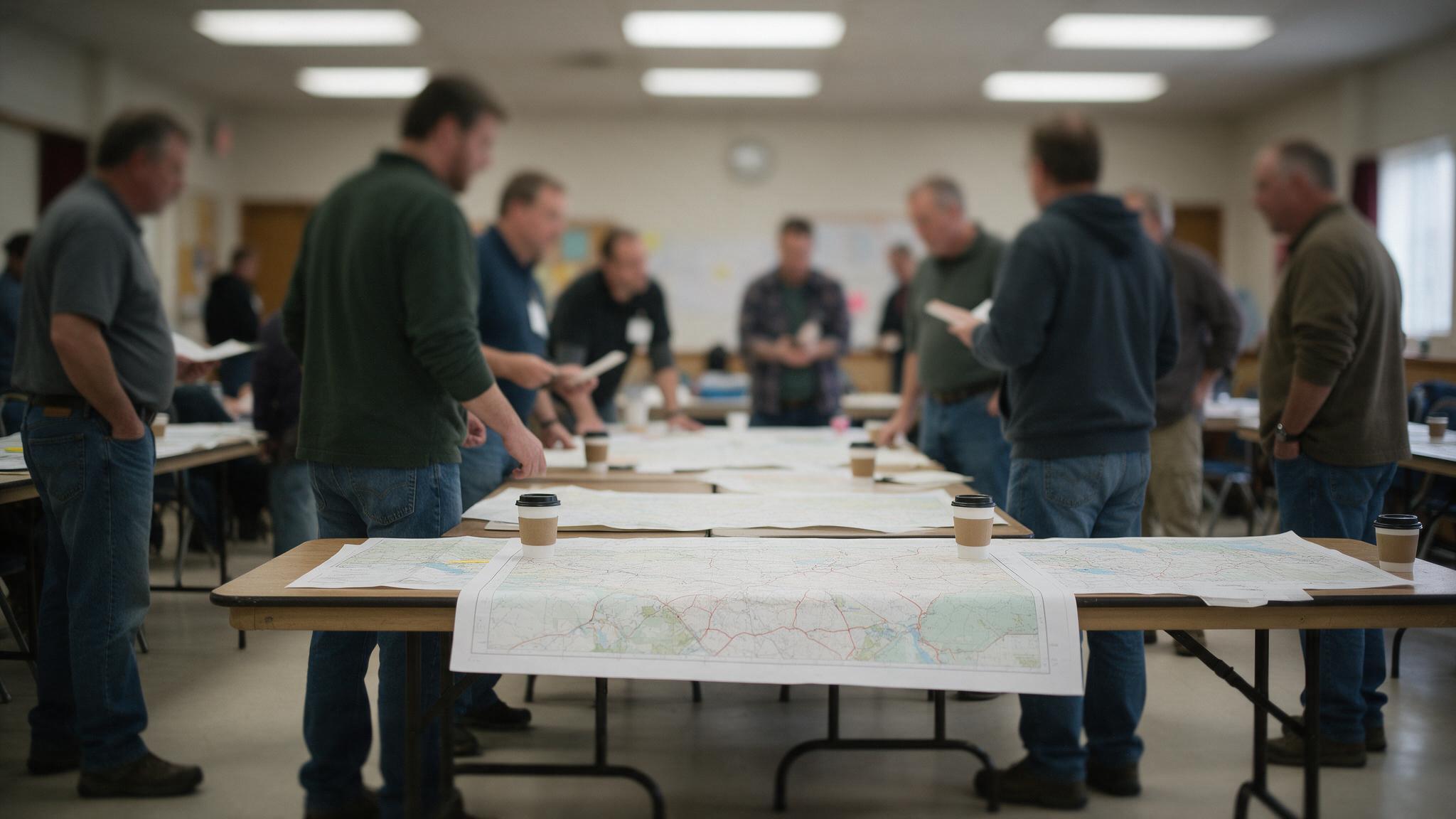
Exercises are the test environment for plans — and the fix for everything above. Done right, they're not theater; they're controlled failure. A tabletop surfaces whether the notification chain works. A functional exercise tests whether resources actually stage where the plan says. A full-scale scenario reveals whether the whole thing holds together with real people under real stress.
The point is not to pass. It's to find the breaks while they're cheap — in a room, on a schedule, with time to fix them.
What This Looks Like in Practice
A county exercises its evacuation plan against a flood scenario. The exercise reveals the notification chain breaks at one agency and the transport list is three years stale. Both get fixed in a month. When the real flood arrives, the plan executes — because it's already been broken once, on purpose.
Conclusion
Plans earn trust the same way responders do: by showing up under pressure. Exercise them, fix what breaks, repeat.
Ready to stress-test your plans? Contact us about exercise design.
