


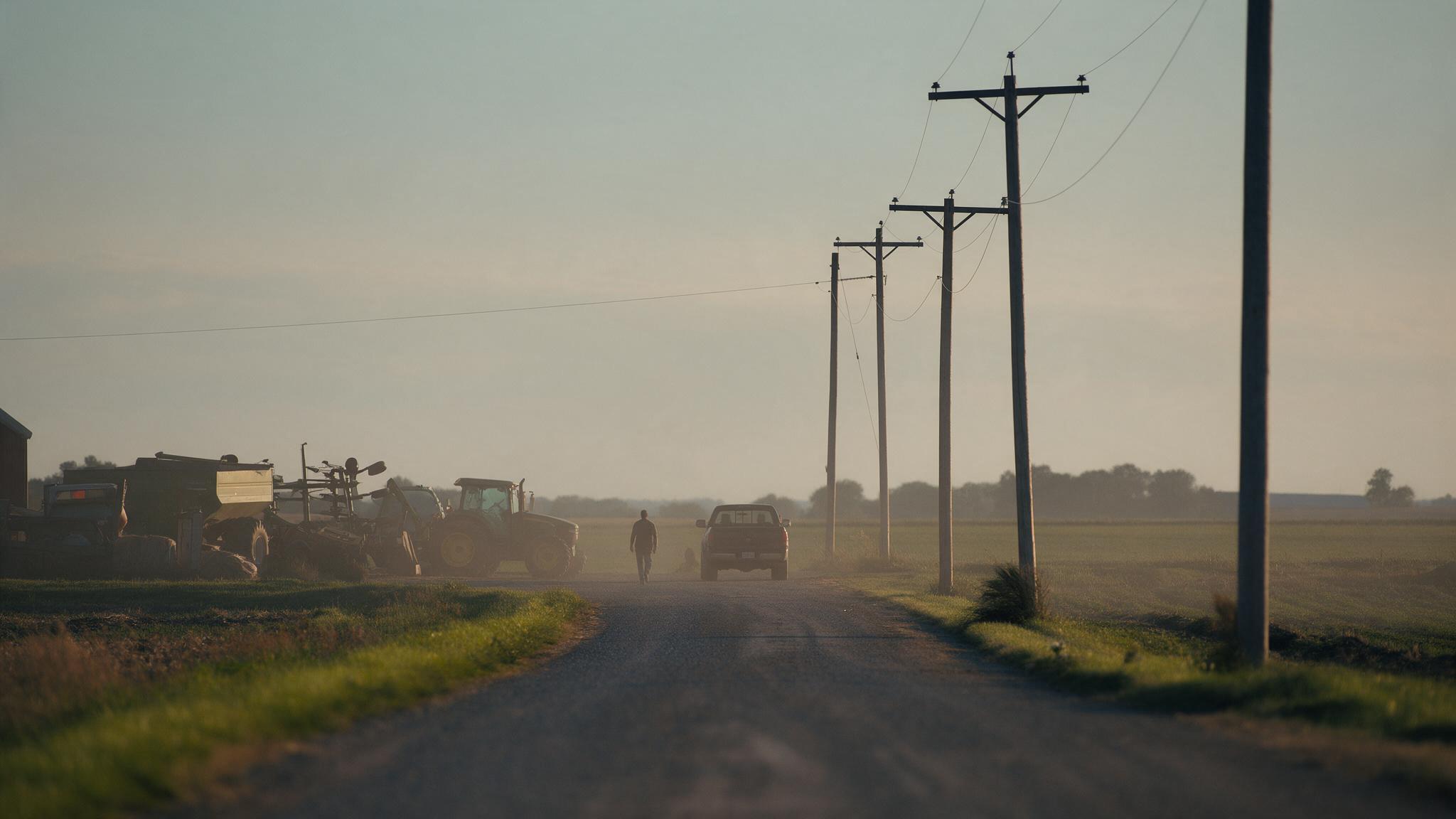


In a city, help is minutes away. In rural America, the person standing closest to the emergency is the emergency response — for twenty, thirty, sometimes forty minutes. Whoever is there first, is first.
That is the entire logic of community preparedness: in areas where professional response takes time, the community's knowledge in the first minutes isn't a nice-to-have. It's the difference.
What Actually Happens in the First 30 Minutes
- Scene safety is decided by whoever arrives first — traffic, hazards, and further injuries are made better or worse immediately.
- Simple actions dominate outcomes. Calling for the right resources, controlling serious bleeding, keeping someone warm, positioning airway — basic actions, enormous effect.
- Information flow starts with the bystander. A calm caller who can describe location and condition gets the right resources moving faster.
Why Community Training Is the Multiplier
Professional capability is expensive and finite. Community capability is nearly free and scales with every person trained. A rural community where teachers, coaches, drivers, and neighbors have practiced the basics doesn't just produce better individual outcomes — it produces a population that doesn't panic, escalates correctly, and supports responders when they arrive rather than becoming additional patients.
The Barriers — and the Fix
Training costs money, takes travel, and competes with jobs. That's why cost is the first barrier to remove: training delivered locally, at no cost to the community, tailored to local hazards and realistic response times. Content matters too — rural first-response education should teach what the first thirty minutes actually require, not a curriculum designed for places where an ambulance is four minutes out.
What This Looks Like in Practice
A farm community trains volunteers and family members in the basics — bleeding control, scene awareness, calling it in right. Months later, a machinery injury: a trained neighbor provides immediate care and accurate information while professional response is still twenty minutes out. The patient arrives at the hospital ahead of the curve instead of behind it.
Conclusion
In rural response, the first responder isn't the one with the badge. It's whoever's there. Communities that train for that fact turn bystanders into capability.
Want community training at no cost? Contact us.
