




Every emergency plan has a response phase. Far fewer have a realistic plan for what comes next: finding the people who didn't get out, moving the people who can't move themselves, and confirming an area is actually clear.
Post-incident reviews after nearly every major wildfire and flood repeat the same findings — delayed notifications, unclear evacuation roles, search operations improvised on the fly, and responders running out of endurance before the incident ends. Evacuation readiness is a capability. It can be built, trained, and measured before it's needed.
The Three Forgotten Capabilities
- Evacuation readiness. Who decides, who notifies, who routes, who transports, and who confirms the area is clear? In many rural communities, those questions have never been answered in writing.
- Search and rescue coordination. Volunteer SAR resources exist in many counties but rarely train against local terrain, local hazards, and local dispatch procedures.
- Responder sustainment. A responder working hour twenty without food, rest, or rotation is a safety incident waiting to happen. Sustainment is operational capability, not catering.
What Readiness Actually Requires
Evacuation readiness is not a binder. It is a set of decisions made in advance: trigger points tied to observable conditions, notification chains that work at 2 a.m., transport logistics for residents with mobility needs, structured door-to-door confirmation, and a re-entry procedure that doesn't create a second emergency.
What This Looks Like in Practice
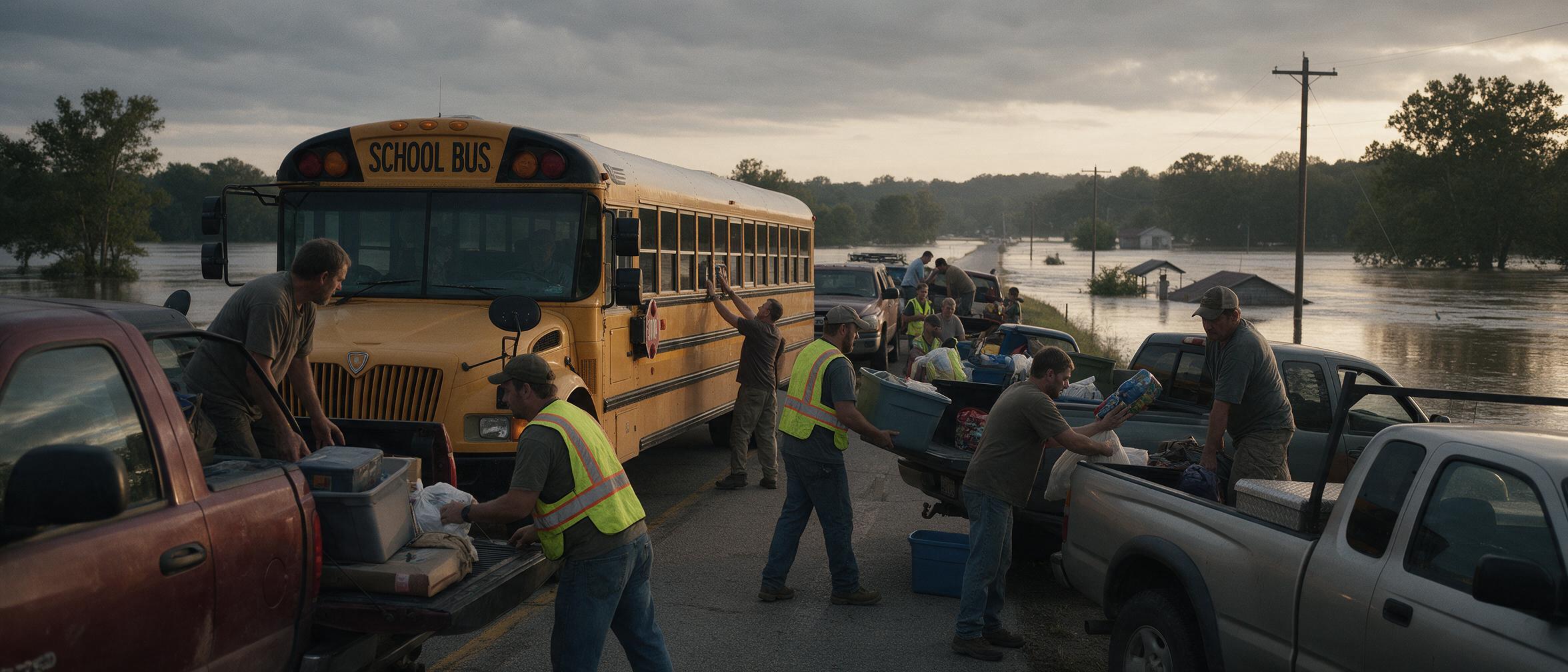
A river community faces a slow-rise flood with a 36-hour warning window. With a readiness framework in place, the county executes a tiered notification plan, pre-positions transport for residents with mobility needs, runs a structured confirmation sweep, and stages responder sustainment before the first road closes — instead of discovering each of those requirements live.
Conclusion
Evacuation readiness is where preparedness stops being paperwork and becomes capability. Communities that plan the aftermath survive it better.
Ready to build your community's evacuation readiness? Contact us to start the conversation.

