




Rural emergency response runs on people who show up for free. Volunteer firefighters, SAR team members, community emergency responders — in much of the country, they are the response. Yet incident command systems were designed around employees: people who can be assigned, scheduled, disciplined, and retained by paycheck.
Leading a force you don't employ is a different leadership problem, and treating it like standard supervision is how agencies lose volunteers mid-incident.
What Breaks the Working Relationship
- Assignment without context. Volunteers perform for leaders who explain the why, not just the task. Ordered without context, they comply once and don't come back.
- No defined role in the plan. Volunteers who arrive to find no place in the organization stand around until someone improvises a use for them.
- Skills nobody mapped. Every volunteer force contains capabilities nobody has documented — equipment operators, medical backgrounds, local terrain knowledge.
- Sustainment as an afterthought. Volunteers who work twelve hours unfed and unrotated don't just underperform — they tell the story afterward, and recruitment pays for it.
What Effective Volunteer Coordination Looks Like
First, integration before the incident: volunteer resources get roles in the plan, train against it, and appear in the resource inventory like any other asset. Second, leadership adapted to the relationship: clear objectives, context for tasks, and genuine delegation rather than tolerance. Third, sustainment treated as command's job — volunteers may not be paid, but their endurance is still a command responsibility.
What This Looks Like in Practice
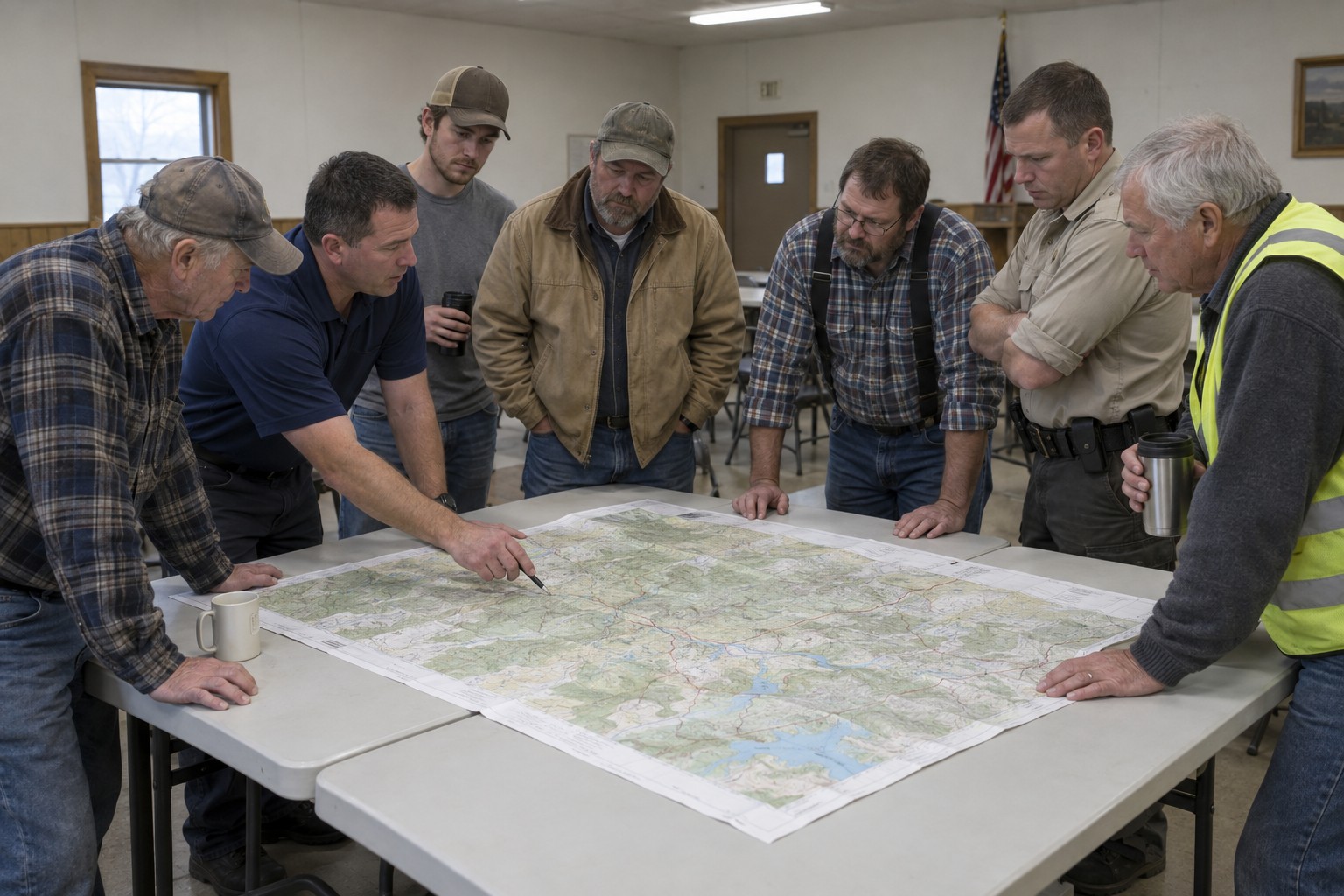
A county integrates its volunteer SAR team into the incident structure with defined roles, joint training with dispatch, and terrain knowledge mapped into planning. When a search launches, the first two hours are spent searching — not figuring out who reports to whom and whether the team is covered under anyone's procedures.
Conclusion
Volunteers aren't a lesser version of employees. They're a different asset class, and the agencies that command them well are the ones that planned for them as equals.
Building volunteer capability into your command structure? Contact us.
