


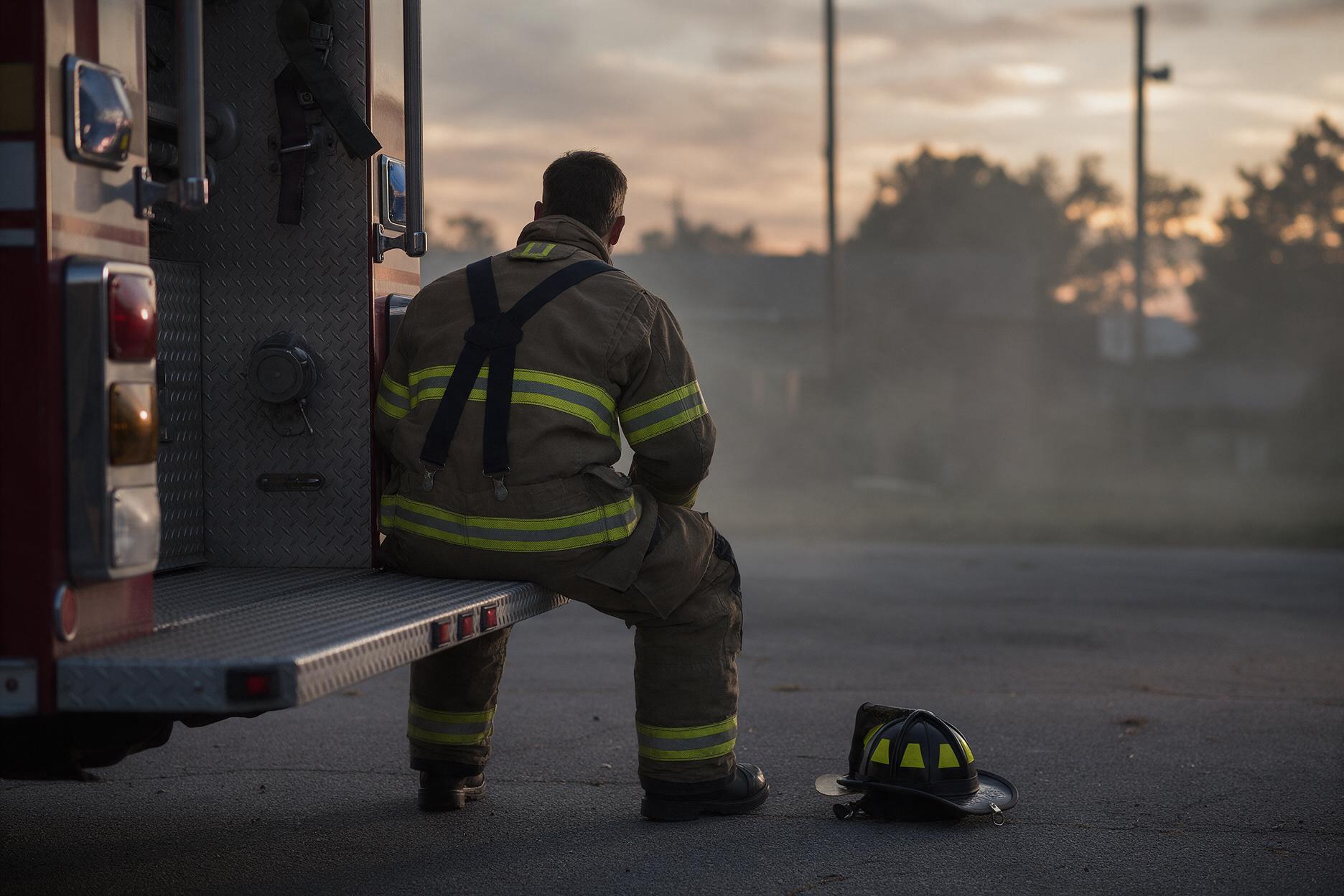


Burnout gets framed as a wellness topic — something to be managed with self-care pamphlets and resilience seminars. That framing is wrong, and it's costing agencies capability every year.
Burnout is an operational risk. It behaves like one: it degrades decision quality, slows response, drives injury, and removes trained people from the force. It just does it quietly, one responder at a time, until an agency notices it's short-handed and can't explain why.
What It Actually Costs
- Capability drain. The most experienced responders are the most exposed — and the most expensive to replace.
- Safety erosion. Fatigue and disengagement produce errors, injuries, and near-misses long before anyone files a report.
- Volunteer collapse. In rural systems, burned-out volunteers don't transfer to another station. They leave entirely, and recruitment doesn't backfill.
- Decision decay. The senior people carrying the load are exactly the people whose judgment the system depends on.
Why the Wellness Framing Fails
Treating burnout as a personal problem puts the fix on the individual: sleep better, cope better, ask for help. But the causes are structural — chronic understaffing, no rotation plans, deployments without sustainment, and a culture that reads exhaustion as dedication. You cannot self-care your way out of a system problem.
What Managing It as an Operational Risk Looks Like
Measure it like any other readiness metric — retention, injury, fatigue indicators, deployment load. Plan against it: rotations built into incident planning, sustainment treated as a command function, and recovery treated as part of the deployment rather than what happens after collapse. And lead differently: an agency that models sustainable operations keeps its people; an agency that models unlimited endurance loses them.
What This Looks Like in Practice
A volunteer department tracks deployment load per member across the season, rotates deliberately, and stages sustainment at every call over six hours. Attrition drops. The same faces are still responding in year five — and they're the ones training the next group.
Conclusion
An agency that protects its people is protecting its capability. That's not wellness. That's readiness.
Want sustainment planning that keeps your force in the field? Contact us.
